

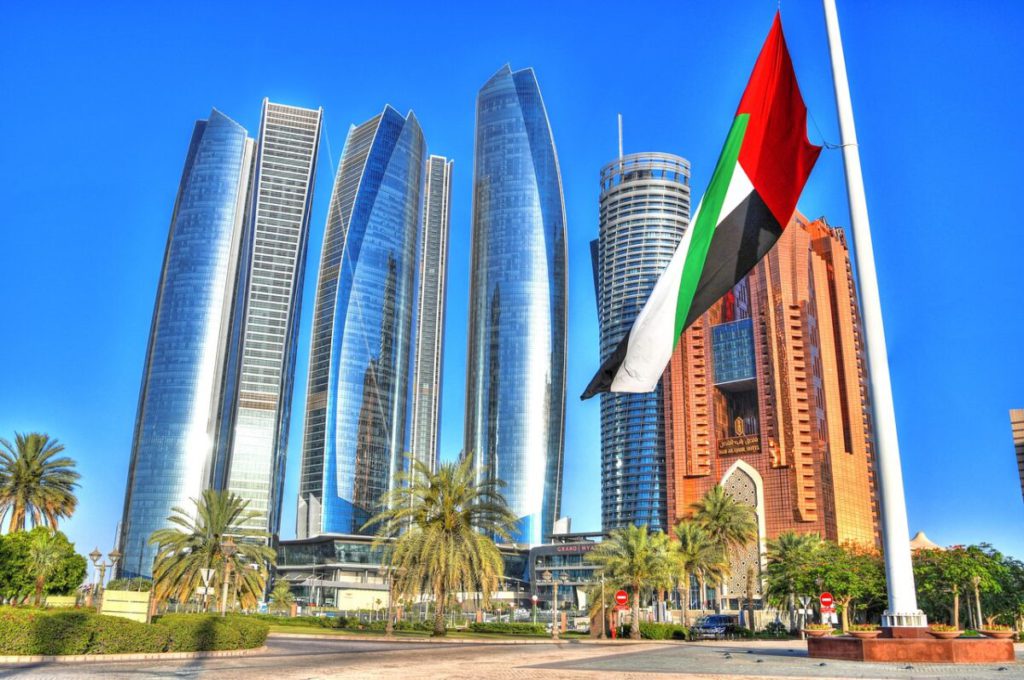
Over the past few decades, the United Arab Emirates (UAE) has shifted from being heavily dependent on oil revenues to becoming one of the most diversified economies in the Middle East. This transformation is the result of long-term planning, strategic investment, and a clear national vision aimed at building a sustainable, knowledge-based economy that can thrive beyond hydrocarbons.
Today, the UAE is recognized as a global hub for trade, finance, tourism, logistics, and technology—positioning itself as a key player in the international economic system.
Strategic National Vision and Long-Term Planning
A major foundation of the UAE’s economic progress is its long-term development strategies, including “We the UAE 2031” and earlier national visions.
These frameworks focus on:
- Reducing dependence on oil revenues
- Expanding non-oil GDP contribution
- Strengthening private sector participation
- Attracting foreign investment
- Building a knowledge-driven economy
Through these policies, the government has created a stable environment for sustainable economic growth and global competitiveness.
Expansion of Non-Oil Sectors
One of the strongest indicators of economic improvement in the UAE is the rapid growth of non-oil industries.
Key sectors include:
- Trade and logistics
- Tourism and hospitality
- Aviation and transport services
- Financial services and banking
- Real estate and construction
- Technology and artificial intelligence
Global companies and investors are increasingly choosing the UAE due to its stable regulatory environment and strong infrastructure base. Institutions such as DP World have played a central role in turning the country into a global trade and logistics hub.
Global Trade and Strategic Geographic Advantage
The UAE’s geographic location between Asia, Europe, and Africa has become one of its most powerful economic assets.
This advantage has allowed the country to develop:
- World-class seaports and free zones
- International cargo and aviation hubs
- Re-export and transit trade systems
- Efficient global supply chain connectivity
As a result, the UAE is now a central node in international trade routes, making it a preferred base for multinational companies operating across multiple regions.
Infrastructure Development and Smart Cities
Massive investment in infrastructure has significantly strengthened the UAE economy.
Key developments include:
- Advanced airports and aviation systems
- High-capacity seaports and logistics centers
- Smart city projects in Dubai and Abu Dhabi
- Digital government services
- High-speed transport and metro systems
These infrastructure systems not only support economic activity but also improve efficiency, reduce business costs, and attract foreign investment.
Tourism, Real Estate, and Global Branding
Tourism and real estate are major contributors to non-oil GDP growth.
The UAE has successfully positioned itself as:
- A luxury tourism destination
- A global events hub
- A real estate investment hotspot
- A center for international exhibitions and conferences
Iconic developments, cultural attractions, and global events have strengthened the country’s international branding, attracting millions of visitors annually and generating significant revenue.
Financial Reforms and Investment-Friendly Policies
To attract global investors, the UAE has introduced several economic reforms, including:
- Long-term residency visas (Golden Visa program)
- 100% foreign business ownership in many sectors
- Simplified company registration processes
- Tax-friendly corporate environment
- Expansion of free economic zones
These reforms have significantly increased foreign direct investment (FDI) and boosted confidence among international businesses and entrepreneurs.
Energy Transition and Sustainability Focus
Although oil remains important, the UAE is actively investing in renewable energy and sustainability.
Key initiatives include:
- Solar energy mega-projects
- Green hydrogen development
- Clean energy partnerships
- Carbon reduction targets
This transition supports long-term economic stability while aligning the country with global climate and energy trends.
Conclusion: A Model of Modern Economic Transformation
The UAE’s economic improvement is the result of deliberate diversification, global integration, and strategic long-term planning. By expanding beyond oil and investing heavily in infrastructure, innovation, and investment-friendly policies, the country has successfully positioned itself as a leading global economic hub.
This transformation reflects a broader shift: from a resource-based economy to a diversified, knowledge-driven, and globally competitive financial and trade center.


Leave a Reply