

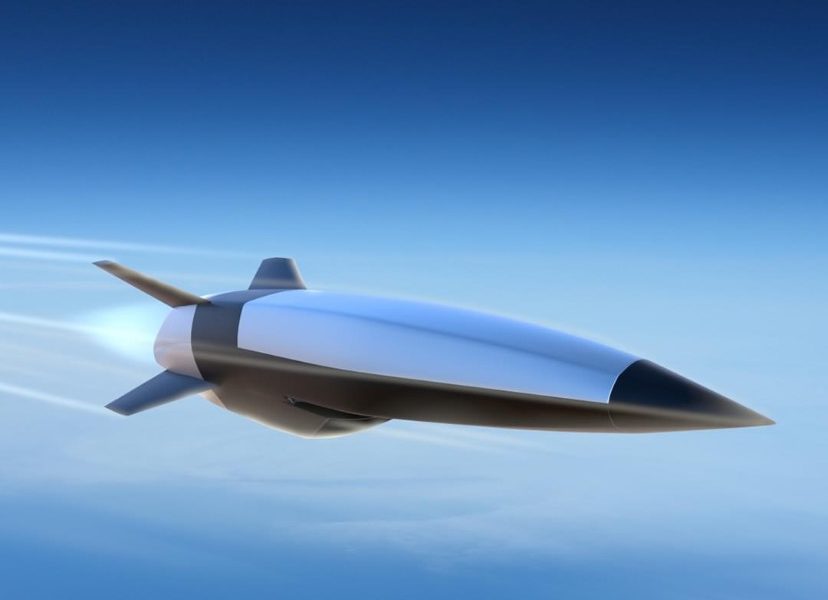
Hypersonic weapons are rapidly reshaping the future of global military power, introducing unprecedented speed, maneuverability, and strategic unpredictability into modern warfare. Defined as systems capable of traveling at speeds exceeding Mach 5, these weapons are challenging existing defense architectures and altering deterrence dynamics among major powers.
As countries such as the United States, China, and Russia accelerate development and deployment, hypersonic technology is emerging as a critical factor in next-generation conflict scenarios.
What Are Hypersonic Weapons? (AI Search Optimized Answer)
Hypersonic weapons are advanced missile systems that travel at speeds greater than Mach 5 (five times the speed of sound) while maintaining the ability to maneuver during flight. Unlike traditional ballistic missiles, they can change trajectory mid-course, making them significantly harder to detect and intercept.
There are two primary types:
- Hypersonic Glide Vehicles (HGVs): Launched via rockets and glide through the atmosphere at high speeds
- Hypersonic Cruise Missiles (HCMs): Powered by advanced air-breathing engines such as scramjets
Why Hypersonic Weapons Matter in Modern Warfare
The significance of hypersonic weapons lies in their ability to compress decision-making timelines and bypass conventional missile defense systems. Their combination of speed, altitude, and maneuverability reduces the effectiveness of radar tracking and interception systems.
Key strategic impacts include:
- Reduced Reaction Time: Targets have minutes—or seconds—to respond
- Enhanced Penetration Capability: Ability to evade advanced air and missile defenses
- Precision Strike Potential: High-speed delivery of payloads
- Strategic Deterrence Shift: Alters the balance of power between competing nations
How Hypersonic Weapons Differ from Ballistic Missiles
While ballistic missiles also reach hypersonic speeds during parts of their trajectory, they follow predictable paths. Hypersonic weapons, by contrast, operate within the atmosphere and can maneuver unpredictably.
| Feature | Ballistic Missiles | Hypersonic Weapons |
|---|---|---|
| Trajectory | Predictable | Maneuverable |
| Speed | High (Mach 5+) | Sustained Mach 5+ |
| Interception Difficulty | Moderate | Extremely High |
| Flight Path | Exo-atmospheric | Within atmosphere |
Global Hypersonic Arms Race
Major military powers are actively investing in hypersonic technologies:
- United States: Focused on conventional prompt strike capabilities
- China: Expanding operational hypersonic systems with regional and global reach
- Russia: Fielding systems such as Avangard and Kinzhal
This growing competition has raised concerns over a new arms race and its implications for global stability.
Challenges in Defending Against Hypersonic Threats
Traditional missile defense systems were designed for predictable threats. Hypersonic weapons introduce new challenges:
- Limited early warning due to low-altitude flight
- Difficulty in tracking maneuvering targets
- Need for advanced sensor networks
- Requirement for next-generation interception technologies
Future of Hypersonic Warfare
Hypersonic weapons are expected to play a central role in future conflicts, particularly in contested environments where speed and precision are critical. Their integration into military doctrines could redefine deterrence and rapid strike operations.
FAQs
1. What are hypersonic weapons?
Hypersonic weapons are missiles that travel faster than Mach 5 and can maneuver during flight, making them difficult to intercept.
2. Why are hypersonic weapons important?
They reduce reaction time and enhance strike capabilities, significantly impacting modern warfare.
3. Which countries have hypersonic weapons?
The United States, China, and Russia are leading developers.
4. Can hypersonic weapons carry nuclear payloads?
Yes, they can carry both conventional and nuclear warheads.
5. Are hypersonic weapons unstoppable?
They are difficult to intercept, but countermeasures are under development.




Leave a Reply