

Apple has officially entered the foldable smartphone market with the iPhone Duo, its first folding iPhone and one of the biggest changes to the iPhone’s physical design in years. Unveiled on September...

West Asia explainers providing clear context, background, and analysis on regional politics, security, economy, and key developments shaping events.
Apple has officially entered the foldable smartphone market with the iPhone Duo, its first folding iPhone and one of the biggest changes to the iPhone’s physical design in years. Unveiled on September...
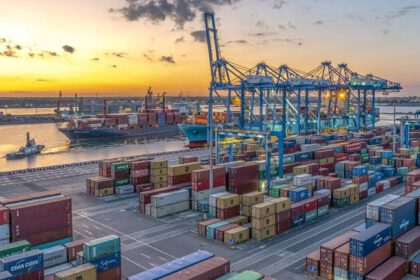
Jebel Ali is more than one of the world’s largest ports. It is a critical node connecting global trade, Gulf economic strategy, energy flows, manufacturing, logistics, and regional security. Located i...
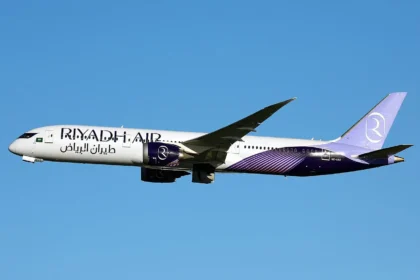
Saudi Arabia’s aviation hub strategy has moved from ambition to large-scale implementation. The Kingdom is building new airport capacity, expanding its airline sector, opening new international ...
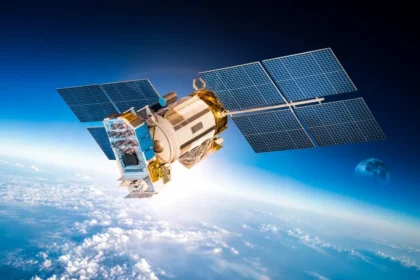
Commercial satellites are becoming an increasingly important part of the intelligence ecosystem across West Asia, changing how governments, militaries, researchers, media organizations and private com...

In less than three decades, the UAE space program has evolved from a satellite communications industry into one of the most ambitious space programs in the Middle East. The country now designs advance...

Digital payments are becoming an increasingly important part of economic transformation across the Gulf. Mobile wallets, contactless cards, instant bank transfers, digital banking applications, and on...
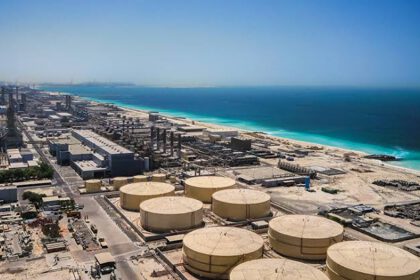
Water security is one of the most important long-term challenges facing the Gulf region. Countries such as Saudi Arabia, the United Arab Emirates, Qatar, Kuwait, Bahrain, and Oman receive very limited...
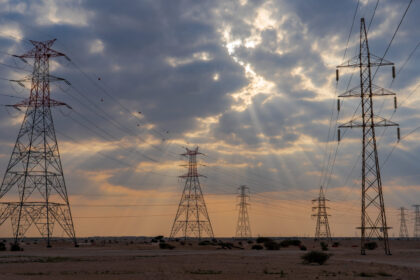
The Gulf Cooperation Council (GCC) is known for its vast oil and natural gas resources, but one of its most strategically significant infrastructure projects lies beyond hydrocarbons. The GCC Electric...

Cloud computing is becoming one of the central pillars of economic and technological transformation across the Gulf Cooperation Council. Governments, financial institutions, energy companies, airlines...
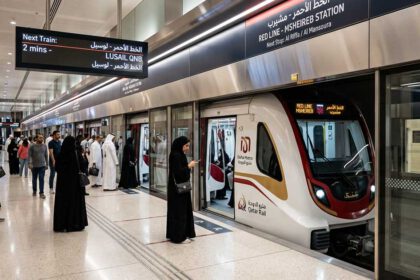
Doha Metro has become one of the most important infrastructure projects in Qatar’s modern history. More than a public transport network, it represents a wider urban transformation strategy aimed at re...