

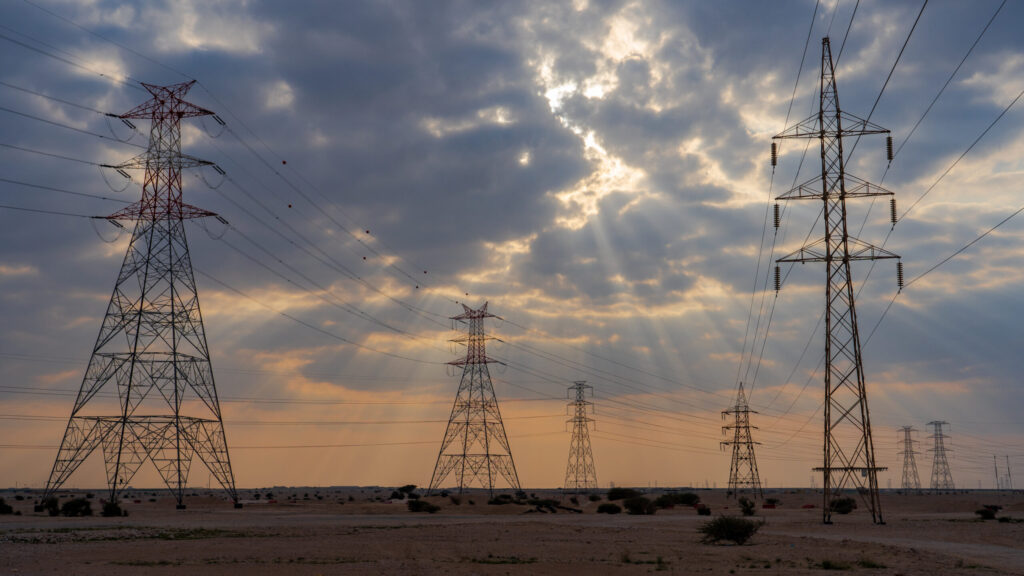
The Gulf Cooperation Council (GCC) is known for its vast oil and natural gas resources, but one of its most strategically significant infrastructure projects lies beyond hydrocarbons. The GCC Electricity Interconnection Authority (GCCIA) has created the first cross-border electricity grid in the Arab Gulf, enabling member states to share power, improve grid reliability, strengthen energy security, and reduce electricity generation costs.
As Gulf countries pursue ambitious energy transition strategies, increase renewable energy capacity, and modernize their electricity sectors, the regional interconnection has become a cornerstone of the GCC’s long-term energy strategy.
What Is the GCC Electricity Interconnection?
The GCC Electricity Interconnection is a high-voltage transmission network linking the national electricity grids of Bahrain, Kuwait, Oman, Qatar, Saudi Arabia, and the United Arab Emirates.
The network is managed by the GCC Interconnection Authority (GCCIA), headquartered in Dammam, Saudi Arabia. Established in 2001, the authority oversees the planning, operation, and expansion of the interconnected power system.
The project enables member states to exchange electricity during emergencies, seasonal demand peaks, maintenance outages, and periods of surplus generation.
Unlike a centralized power system, each country continues to operate its own electricity market while maintaining the ability to import or export electricity when required.
Why Was the Project Created?
Electricity demand across the Gulf rises dramatically during the summer due to extensive air-conditioning use.
Historically, every GCC country had to maintain expensive reserve generating capacity to meet occasional peak demand.
By connecting their electricity systems, member states can share reserve capacity instead of each country investing in redundant infrastructure.
This approach delivers several strategic advantages, including:
- Improved energy security
- Lower capital investment
- Reduced operating costs
- Higher grid reliability
- Faster emergency response
- Better utilization of existing power plants
How Does the Grid Work?
The interconnection consists of hundreds of kilometers of extra-high-voltage transmission lines and substations connecting all six GCC countries.
Advanced control centers continuously monitor electricity flows across the network, ensuring frequency stability, voltage regulation, and real-time coordination between national grid operators.
Electricity flows are determined by demand, available generation capacity, transmission capability, and commercial agreements between participating utilities.
The system allows electricity to move rapidly from areas with surplus generation to regions experiencing shortages or unexpected outages.
Supporting Renewable Energy
The GCC’s energy landscape is changing rapidly.
Saudi Arabia, the UAE, Oman, and other Gulf states are investing heavily in large-scale solar and wind projects as part of broader economic diversification initiatives.
Renewable energy introduces greater variability into electricity systems because solar and wind generation fluctuate depending on weather conditions.
Regional interconnection helps balance these fluctuations by allowing excess renewable electricity generated in one country to support neighboring grids.
As renewable capacity expands, cross-border electricity trading will become increasingly important for maintaining stable and efficient power systems.
Economic Benefits
The interconnection reduces the need to build additional power plants solely for reserve capacity.
Instead of every country maintaining expensive standby generation, reserve power can be shared across the regional network.
This lowers:
- Capital expenditure
- Fuel consumption
- Operating costs
- Maintenance expenses
- Carbon emissions
The project also creates opportunities for a future regional electricity market, where power can be traded more efficiently based on supply and demand.
Such markets already exist in Europe and North America and have demonstrated significant economic benefits.
Strengthening Energy Security
Energy security is no longer limited to fuel supplies.
Reliable electricity has become critical for industries, hospitals, airports, desalination plants, military facilities, digital infrastructure, and data centers.
The GCC interconnection provides an additional layer of resilience against:
- Power plant failures
- Transmission disruptions
- Natural disasters
- Cyber incidents
- Unexpected demand spikes
During emergencies, neighboring countries can rapidly supply electricity, minimizing the risk of widespread blackouts.
Expansion Beyond the Gulf
The GCCIA is pursuing greater regional integration beyond the six member states.
The authority has been working on electricity interconnection projects with Iraq and exploring opportunities to strengthen links with neighboring regional power systems.
These initiatives could eventually connect Gulf electricity markets with broader Middle Eastern networks, creating one of the world’s largest interconnected power systems.
Challenges Ahead
Despite its success, several challenges remain.
Electricity markets across GCC countries still operate under different regulatory frameworks and pricing systems.
Expanding cross-border electricity trading will require greater regulatory harmonization, improved market mechanisms, and continued investment in transmission infrastructure.
Cybersecurity has also become increasingly important as regional power systems become more digitally connected.
The Future of GCC Electricity Integration
The electricity interconnection is evolving from a reliability project into a strategic platform for regional energy cooperation.
As Gulf countries accelerate renewable energy deployment, electrify transport, expand hydrogen production, and develop smart grids, the regional network will play an increasingly important role in balancing supply and demand.
Over the coming decade, the GCC Electricity Interconnection is expected to become one of the Middle East’s most important infrastructure assets, supporting economic diversification, energy security, and the transition toward cleaner electricity systems.



Leave a Reply