

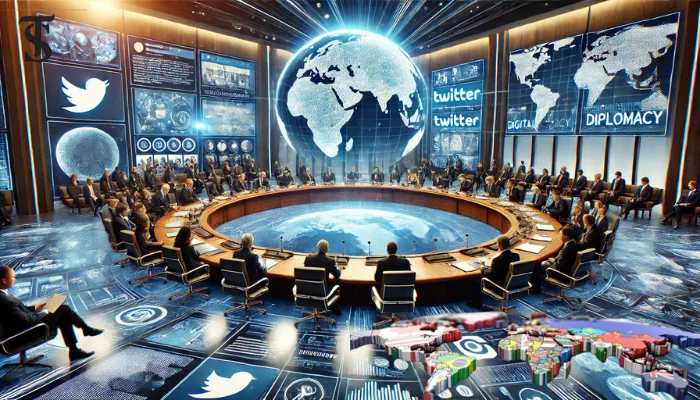
The digital age has brought public diplomacy through its most significant changes. The practice which used to exist within embassy functions and governmental institutions now operates through online platforms that connect its diplomatic work to the public. Digital platforms enable governments to communicate with citizens around the world instead of limiting their interactions to other governmental bodies. International relations now depend on soft power, which enables countries to achieve diplomatic success by attracting other states instead of using forceful methods. Modern diplomacy now depends on three main processes which social media has made more powerful: perception management, image development, and narrative control.
The Transformation of Public Diplomacy
Earlier diplomatic communication methods functioned through a system that delivered information at a slow pace while maintaining strict control over diplomatic interactions. Digital diplomacy enables rapid communication through its system which operates without central control and allows users to interact with each other. States use platforms like X (Twitter) Instagram Facebook TikTok and YouTube to establish direct communication with foreign audiences while they maintain the ability to respond to international events and create real-time international narratives.
Soft Power in a Connected World
Soft power continues to be an essential element which shapes global political authority. The international standing of a state depends on its cultural attributes and political beliefs and the way it conducts its foreign relations and its ability to work together with other countries. Digital storytelling and humanitarian outreach and education and cultural exports serve as modern tools for countries to showcase their soft power to the world.
Social Media as a Diplomatic Arena
The development of social media has become a major force that shapes contemporary diplomatic practices. Digital platforms enable states to establish direct communication with audiences worldwide which differs from traditional diplomatic channels that used official statements and press releases as their only means of communication. The process of creating and disputing international narratives has undergone a fundamental transformation because of this development. Social media serves as a tool through which governments share their policy changes while they attempt to influence foreign public attitudes. International perception can be influenced through a single post which creates diplomatic responses that have the potential to change bilateral ties between countries. The quickness of diplomatic work increases in this situation because of two factors which include message misinterpretation and the spread of messages without context and competing stories that emerge.
At the same time social media has democratized diplomacy. It is no longer limited to state actors alone Journalists, influencers, academics, and ordinary users all participate in shaping global discourse. This expansion of voices has made public diplomacy more complex, as states must now respond to a constantly evolving information ecosystem rather than a controlled diplomatic space.
Opportunities created by Digital Diplomacy
Digital diplomacy provides states with new methods to strengthen their international relations. The most essential benefit enables people to access information about their organization. Governments can now reach international audiences without relying entirely on traditional media channels or formal diplomatic intermediaries. The direct communication method enables national authorities to present their national positions through a more effective and faster process. The second opportunity provides organizations with a budget-friendly solution. Digital platforms need less money than traditional diplomatic campaigns, but they enable wider audience to reach. This enables smaller nations to demonstrate their power and take part in international debates just like bigger nations. Digital diplomacy establishes improved methods for governments to handle emergency situations. Governments use real-time updates during conflicts and natural disasters and political instability to inform both domestic and international audiences. The rapid communication method decreases false information while enabling countries to handle their international reputation. Social media platforms now provide users with an extensive network for sharing cultural experiences. Music and film and literature and lifestyle content now reach worldwide audiences within a single moment.
The visibility of cultural content establishes soft power through its ability to shape how others view countries.
Challenges in the Digital Diplomacy Landscape
Digital diplomacy offers benefits to its users, but it creates major obstacles which need to be addressed. Misinformation represents the most urgent problem which needs to be solved. Social media platforms enable false or misleading information to spread before official corrections can reach the public. This situation results in diplomatic damage which leads to international reputation problems for the country. The process of narrative building faces difficulties because of its divided nature. The digital environment allows different groups to create multiple accounts about a particular event which makes it impossible for states to uphold their public relations work. Different actors who tell their stories create problems for official messages which result in international audiences becoming confused. Digital diplomacy operates as a system that reacts to events without creating original content. States use their resources to respond to events instead of constructing their own public relations campaigns. The diplomatic process which uses this reactive method spends less time on strategic communication work and it makes diplomatic planning work less effective. Social media operates at a rapid speed which forces users to provide instant answers. The diplomatic process needs diplomats to conduct thorough research which leads to precise outcomes. The pursuit of quick results together with precise details produces errors in communication which result in incomplete messages.
The Challenging Nature of Global influence
Countries that effectively manage their digital presence are often able to strengthen their diplomatic standing. Positive online visibility contributes to stronger international relationships, increased tourism, and improved economic opportunities. Poor digital communication strategies damage an organization’s reputation which leads to lost trust in their diplomatic efforts. Soft power in this context becomes deeply interconnected with digital performance. The global audience needs to understand both cultural richness and political values through effective communication methods.
The Future of Public Diplomacy
The technological transition creates new challenges which include protecting ethical communication standards and maintaining data security and preventing information from being tampered with. The complexity of digital diplomacy requires organizations to establish transparent systems which maintain their operational integrity. States need to implement a unified plan for communication which requires both strategic planning and operational execution to adapt to the changing circumstances. The organization needs to allocate resources for digital literacy development while establishing better communication between its various departments and creating permanent storytelling methods to use after immediate situations have ended.
Conclusion
Public diplomacy in the digital age represents a fundamental transformation of international relations practices. The process has evolved from state-controlled operations to an active system which multiple participants use to develop their stories throughout the day. Social media functions as both an instrument for influence and a conflict zone where parties fight for power, while soft power has become a vital component of international diplomatic efforts. The two elements establish the international reputation of states and determine their success in diplomatic outreach efforts. Modern diplomatic success depends on both policy choices and the capacity to convey those choices through digital platforms. States that adapt to this reality will gain advantages in developing worldwide perceptions and establishing their international presence.

Mahrukh Fatima
The article explores how digital platforms have transformed public diplomacy and how soft power is now increasingly shaped through social media. It discusses the opportunities and challenges states face in managing global narratives in the digital era.


Leave a Reply