


Winning Minds, Not Wars: China and the United States in the Age of Public Diplomacy | West Asia Watch
In today’s fast-changing world, power is no longer only about military strength or economic dominance. Countries are increasingly judged by how they are seen and understood by people across the globe. This shift has made public diplomacy a country’s ability to communicate, connect, and build trust with international audiences more important than ever. For Saudi Arabia, this approach has become central to its transformation, especially under the ambitious Vision 2030. As Joseph Nye rightly said, “The best propaganda is not propaganda.” This idea perfectly reflects Saudi Arabia’s shift towards public diplomacy, where influence is built through culture, tourism, and global engagement rather than force.
Public diplomacy is about winning hearts rather than forcing outcomes. It uses culture, media, education, tourism, and global engagement to shape a positive image. For many years, Saudi Arabia was known mainly for its oil wealth and conservative social system. However, in the last decade, the Kingdom has been actively working to change this perception and present itself as modern, open, and globally connected.
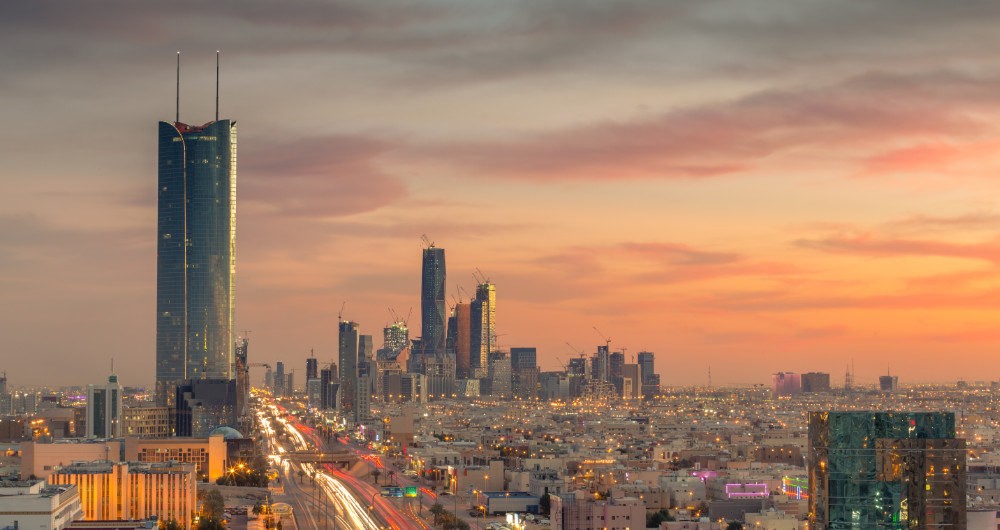
At the heart of this transformation is Vision 2030, launched in 2016. This long-term plan aims to reduce Saudi Arabia’s dependence on oil, diversify its economy, and improve the quality of life for its citizens. It focuses on three major goals: a vibrant society, a thriving economy, and an ambitious nation. As part of this vision, Saudi Arabia has invested heavily in tourism, entertainment, sports, and cultural development. These sectors are not only economic tools they are powerful instruments of public diplomacy.
Tourism is one of the clearest examples of this strategy. Saudi Arabia has opened its doors to international visitors through easier visa policies and global campaigns. The results are striking: the country welcomed over 100 million tourists in 2023, generating billions of dollars in revenue. This rapid growth shows how tourism can reshape a country’s image. When people visit Saudi Arabia, they experience its culture, hospitality, and history firsthand, which often challenges old stereotypes.
Another major change is the revival of cinema culture. For over 35 years, cinemas were banned in Saudi Arabia. This changed in 2018, when theaters reopened, marking a significant cultural shift. International companies such as AMC Theatres began operating in the Kingdom, and today, cinemas are expanding rapidly. This development is not just about entertainment it signals openness, modernization, and a willingness to engage with global culture. It also creates jobs and contributes to the economy, aligning with Vision 2030 goals.
Sports diplomacy is another powerful tool Saudi Arabia is using to improve its global image. The Kingdom has invested billions in international sports events and partnerships. One of the most important milestones is its successful bid to host the FIFA World Cup 2034. This event will bring millions of visitors and attract billions of viewers worldwide, offering Saudi Arabia a unique opportunity to showcase its development, culture, and hospitality.
In addition to the World Cup, Saudi Arabia has hosted Formula One races, major boxing matches, and international football tournaments. These events create global attention and position the country as a major player in the world of sports. They also help connect Saudi Arabia with younger audiences, who often engage more through sports than politics.
Cultural diplomacy is equally important. Saudi Arabia is promoting its rich heritage through projects like AlUla, a historic site that has become a major tourist attraction. The country is also hosting music festivals, art exhibitions, and cultural events that highlight its traditions and creativity. These initiatives allow the world to see a more human and diverse side of Saudi society.
Public diplomacy also has strong economic benefits. A positive global image attracts foreign investment, boosts tourism, and encourages international partnerships. Saudi Arabia has already seen many global companies establishing regional headquarters in Riyadh. This supports economic diversification and reduces reliance on oil, which is one of the main goals of Vision 2030.
However, Saudi Arabia’s public diplomacy efforts are not without criticism. Some observers argue that image-building must be supported by consistent internal reforms, especially in areas like human rights and governance. Large-scale projects such as NEOM have also raised questions about feasibility and social impact. These concerns highlight an important point: public diplomacy must be backed by real progress, not just promotion.
Despite these challenges, Saudi Arabia has made significant strides. Women are now more active in the workforce, driving is allowed, and the entertainment sector is growing rapidly. These reforms strengthen the country’s credibility and make its public diplomacy efforts more effective.
Another key factor is people-to-people connection. Saudi Arabia has introduced e-visas for many countries and actively uses digital platforms to communicate with global audiences. Personal experiences whether through travel, education, or online interaction play a major role in shaping perceptions. When people engage directly with Saudi culture, they are more likely to develop a positive and balanced view.
In conclusion, Saudi Arabia’s transformation shows that winning hearts is just as important as winning wars. Through Vision 2030, the Kingdom is using tourism, cinema, sports, and culture to reshape its global image and build lasting relationships. Events like the FIFA World Cup 2034 and the reopening of cinemas are not just symbolic they represent a deeper shift towards openness and engagement.
In the modern world, true power lies in connection, trust, and understanding. Saudi Arabia’s journey demonstrates that public diplomacy is not just an option it is a necessity for any country seeking long-term influence and respect on the global stage.

Muniba Saeed
Muniba Saeed is currently pursuing her bachelor's in international relations from Fatima Jinnah Women's University. Her area of interest includes global politics, soft power, and media studies.