

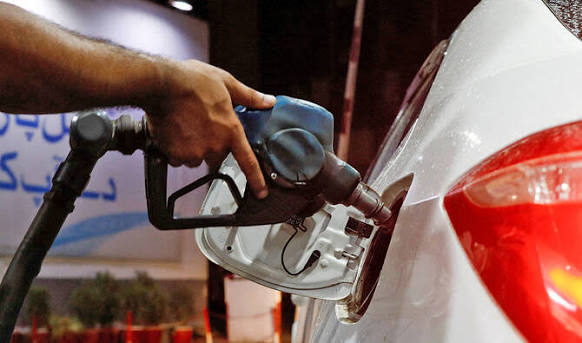
Pakistanis watching the fortnightly OGRA announcement might reasonably ask when will the petrol prices come down to the prewar levels. The answer lies in arithmetic rather than in end of war declarations.
Around 70–75% of Pakistan’s oil imports are finished products. They cost an extra $15-45 a barrel and haven’t dropped as fast as crude, which is why pump prices remain high even after the guns went silent (though they are back at it again). And then there is the inevitable petroleum levy, which serves not only as a direct revenue collection tool for the federal government, but as we are told, also helps pay off IMF loans.
The solution to the predicament seems obvious: improve domestic refineries so Pakistan can import crude oil to refine locally, rather than purchasing expensive finished petroleum products. Brownfield and Greenfield policies were designed to achieve this. The former aimed to improve what exists, and the latter aimed at building anew. But as it turns out, as soon as the government realized that it is going to be no picnic, they shelved them. Then came the Gulf war and Pakistan like the rest of the world was hit by a looming fuel crisis. The policies were dusted off from the shelves and talks began to enforce them, but the exact same problems that were encountered the first time still loomed large.
The country’s five main refineries, PARCO, Attock Refinery, National Refinery, Pakistan Refinery and Cnergyico, have a combined installed capacity of about 450,000-500,000 barrels per day.
tHe real issue lies in not the capacity but the type of fuel the refineries are capable of producing. Local refineries use age old hydro skimming techniques to refine crude which in turn produces large quantities of unwanted furnace oil. As the power sector has shifted away from furnace-oil generation, demand for this residual fuel has fallen. And this excess has to be exported at a loss, squeezing refinery margins and forcing plants to reduce production. Even heavily discounted Russian or Iranian crude, for that matter, is simply not profitable, our present refineries just aren’t equipped to process it efficiently.
The 2023 Brownfield Refinery Modernization Policy aimed to address this structural challenge by upgrading the existing refineries to produce cleaner fuels, minimize furnace oil production and increase valuable products like gasoline and diesel.
But it’s implementation it turns out is easier said than done. Not only does it requires a combined investment of around $6 billion, but refinery owners are also skeptical about the future of their investment. Through the Finance Act 2024 local refineries were legally blocked from claiming back the sales tax they paid on inputs and equipment. For expensive modernization projects, losing these tax refunds drove up costs significantly, making the financial return far less appealing and scaring off investors from committing billions of dollars. And then there is IMF, who simply is not allowing any subsidies to the petroleum sector. Caught between a rock and a hard place has rarely been more apt.
Talks with Saudi Aramco for a $10 billion greenfield refinery have dragged on since 2019. Defence pact or not Aramco will not jump into an unstable regulatory environment.
Location is another sticking point, Aramco prefers Hub for its infrastructure and proximity to Karachi, while Islamabad insists on Gwadar to align with CPEC. Foreign giants simply will not drop billions here without ironclad sovereign guarantees, long-term tax breaks, and legally binding stability clauses that protect them from unpredictable domestic policy shifts.
Taking a leaf out of India’s book in this regard is the need of the hour. Their entry level tech refinery Barauni operates at the same standard as our top ranked PARCO. By giving private players total freedom over pricing and logistics, companies like Reliance and Nayara Energy built massive coastal refineries specifically engineered to process cheap, heavy, sour crude oil. In reverse flow, India now supplies refined petroleum products to Russia and EU.
The administration now finally seems to admit that there is problem. The long delayed modernization policy sits with the federal cabinet for final approval. Petroleum Minister Ali Pervaiz Malik too has promised the government won’t transfer refinery problems to consumers, as officials float plans for strategic reserves, digital tracking, and price deregulation. A comforting promise from an administration that has so far perfected the art of refining press releases instead of crude oil.
Oil Refining sector reforms will save upto $2.5 billion in foreign currency every year taking immense pressure off the Pakistani Rupee. If the government delays or dilutes reform again, Pakistan will remain vulnerable to the next global energy crisis, facing higher prices, weaker reserves and little domestic capacity to fall back on.
And then there is the elephant in the room, the import cartels which surprisingly include corporate elements of refineries themselves, private OMC’s and state backed entities. Taking the profit pie away from these entrenched crocodiles will be an absolute street fight. They would bleed the country’s foreign reserves dry just to protect their multi-billion-dollar international shipping, freight, and foreign refining premiums.
This is where the Special Investment Facilitation Council (SIFC) must step in. As Pakistan’s supreme civil-military economic body, SIFC represents the country’s last real chance to bypass bureaucratic red tape, dismantle the import cartels, and enforce the regulatory stability needed, so Pakistan can not only save billions in foreign exchange but also earn revenues by exporting surplus. If SIFC drops the ball here, Pakistan will remain defenseless against the next global energy storm.




Leave a Reply