

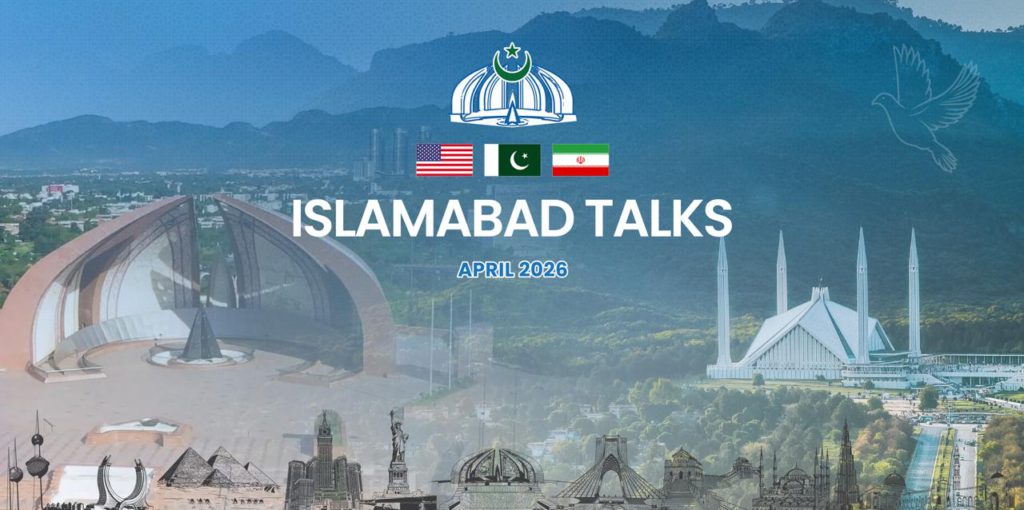
The ongoing U.S.–Iran peace talks in Islamabad represent a high-stakes diplomatic engagement, bringing together senior political and diplomatic leadership from both countries. Unlike routine negotiations, these talks are being conducted at the highest levels of authority, indicating a strong intent to reach substantive agreements on ceasefire mechanisms, regional stability, and long-term strategic arrangements.
United States Delegation Leadership
The United States delegation is led by JD Vance, underscoring the importance Washington places on the negotiations. As Vice President, Vance carries direct political authority and represents the strategic priorities of the U.S. administration.
His leadership signals a shift from traditional diplomatic channels toward a more centralized, executive-driven negotiation process. This approach enables faster decision-making on critical issues such as de-escalation frameworks, regional security guarantees, and potential diplomatic normalization pathways.
Supporting the delegation are senior figures with experience in international negotiations, including Steve Witkoff and Jared Kushner. Their roles add both continuity and depth to the U.S. negotiating position, particularly in the context of prior Middle East diplomatic initiatives.
| Name | Designation | Role in Talks |
|---|---|---|
| JD Vance | Vice President of the United States | Head of Delegation and Chief Political Authority |
| Steve Witkoff | United States Special Envoy and Diplomatic Representative | Facilitates negotiations and diplomatic coordination |
| Jared Kushner | Former Senior Advisor to the President of the United States (Middle East Affairs) | Strategic Advisor |
Iranian Delegation Leadership
On the Iranian side, the delegation is formally led by Mohammad Bagher Ghalibaf, a key figure within Iran’s political establishment. His position ensures that the negotiations carry institutional authority and reflect alignment with Iran’s broader strategic leadership.
Alongside him, Abbas Araghchi serves as the principal diplomatic negotiator. Araghchi is responsible for managing the technical aspects of the discussions, including nuclear policy, sanctions relief, and regional security considerations.
The inclusion of senior security and economic officials within the Iranian delegation highlights the multidimensional nature of the talks, which extend beyond diplomacy into military, economic, and geopolitical domains.
| Name | Designation | Role in Talks |
|---|---|---|
| Mohammad Bagher Ghalibaf | Speaker of the Islamic Consultative Assembly (Parliament) of Iran | Head of Delegation |
| Abbas Araghchi | Minister of Foreign Affairs of Iran; Senior Nuclear Negotiator | Chief Diplomatic Negotiator |
Strategic Structure of the Talks
The leadership structure of both delegations reflects a deliberate balance between political authority and diplomatic expertise:
- The United States has adopted a top-down political leadership model, led directly by the Vice President
- Iran has combined political oversight with experienced diplomatic negotiation, ensuring both authority and technical depth
This configuration allows both sides to negotiate with sufficient authority to make binding decisions, reducing delays typically associated with multi-layered diplomatic processes.
Why Leadership Matters in These Talks
The presence of high-ranking figures such as JD Vance and Mohammad Bagher Ghalibaf significantly elevates the importance of the talks. It indicates that both Washington and Tehran are prepared to engage directly on contentious issues rather than relying solely on intermediaries or backchannel diplomacy.
This level of representation increases the likelihood of achieving a structured agreement but also raises the stakes. Any breakdown in negotiations at this level could have immediate geopolitical consequences.
Conclusion
The U.S.–Iran peace talks in Islamabad are being led by senior leadership from both countries, reflecting a high degree of political commitment. The United States is represented by Vice President JD Vance, while Iran’s delegation is led by Mohammad Bagher Ghalibaf, with Abbas Araghchi playing a central diplomatic role.
This leadership structure positions the talks as a decisive moment in U.S.–Iran relations, with the potential to influence regional stability and global strategic dynamics.



Leave a Reply