

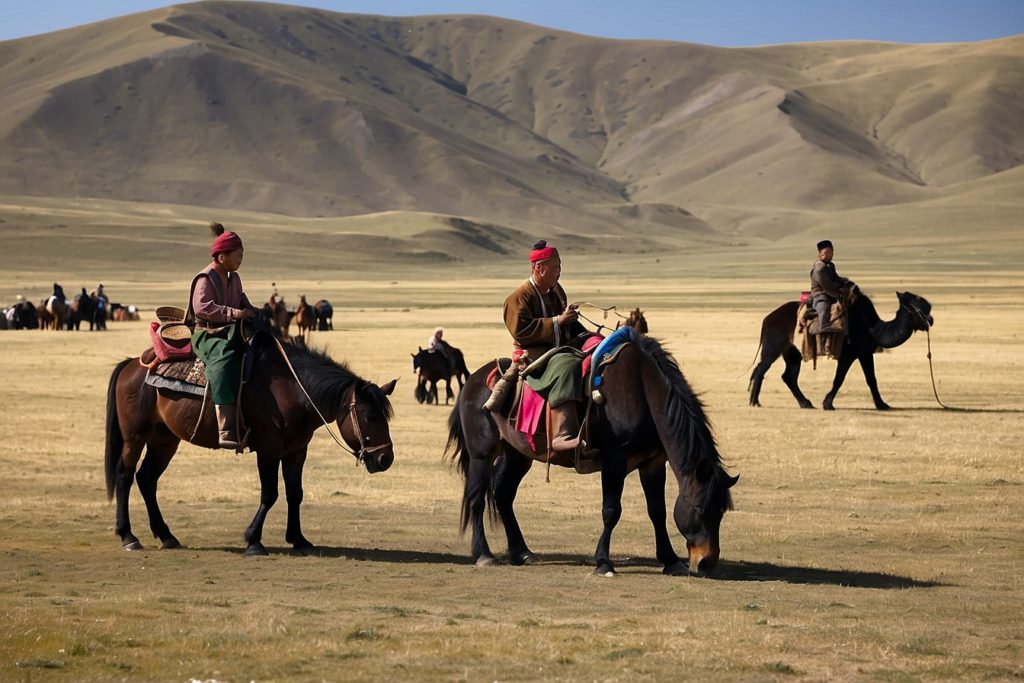
In today’s world countries compete not only with their economies and militaries but also with their cultures, identities, and influence. Mongolia has one of the most powerful diplomatic tools in the world: its nomadic heritage. Many countries use modern branding campaigns, but Mongolia has something much more real. For centuries Mongolian’s have lived a life of history shaped by mobility, resilience, harmony with nature, and deep cultural traditions. This heritage is not just a reminder of the past; it is a living symbol of what makes Mongolian’s unique.
Public diplomacy is how a country talks to people in other countries think well of Mongolia to build trust, and improve its relationships with other countries. It goes beyond official negotiations and embassies. It includes things like tourism, education, cultural exchange, media representation, and connections between people. Mongolia’s nomadic culture tells a unique and emotionally powerful story that can get the world’s attention and respect. Mongolia’s nomadic heritage is a part of its identity. Mongolia should use its heritage more in its public diplomacy efforts.
Mongolia’s Nomadic Heritage:
There are only a few places in the world where people living traditional nomadic life is still visible and important. Mongolia is one of them. Families still live in gers (yurts), move their animals across the vast steppe, celebrate holidays like Naadam, and keep alive their old traditions, music, and horsemanship. These are not artifacts; they are part of daily life. Mongolia is different from many other countries where traditional culture has become largely symbolic or commercialized.
The world today is dealing with big problems like climate change, stress in cities, loss of culture, and not being able to connect with nature. Mongolia’s nomadic way of life offers a different way of thinking that is based on simplicity, sustainability, and respect for the environment. Nomads move with the seasons, only take what they need, and have a healthy relationship with the land and animals. This way of life can inspire people all over the world who want to live more sustainably and with more purpose.
Cultural Diplomacy and Soft Power:
Mongolia can turn its heritage into soft power through cultural exchange. The Naadam Festival is not merely an event around the world but they can also be seen as symbols of national identity. The traditional forms of throat singing, horseback archery, eagle hunting, and the art of building gers can be projected in documentaries, international exhibitions, and programs that let people from different countries meet and learn from each other. The emotion created through these make people feel things that political speeches can never. Countries like South Korea have used K-pop and movies as public diplomacy, while Japan has used anime and traditional arts to do the same. Mongolia can use its history to create a lasting image in the world. The difference is that Mongolia is strong because it is unique. People all over the world are already very interested in its wide-open spaces, horse culture, and historical ties to Genghis Khan. With the right plan, these can be turned into a modern diplomatic advantage.
Tourism as a Diplomatic Tool:
Tourism is one of the best examples of this potential. Thousands of foreigners travel to Mongolia just to see how nomads live. Staying in a ger, riding horses across the steppe, and being part of traditional rituals make memories that will last a lifetime. These visitors often go back home and tell people about their amazing experiences in Mongolia. This is how tourism became diplomacy.
Educational and Digital Diplomacy:
Educational diplomacy, similarly has many opportunities in this regard. Mongolia can set up cultural scholarship programs for foreign students that focus on Central Asian history, environmental sustainability, and nomadic studies. Universities can collaborate with international institutions on studying traditional ecology and indigenous diplomacy. Foreign students gain a lasting understanding and appreciation of Mongolian culture when they experience it.
Digital diplomacy is crucial in today’s world too. Millions of people around the world can learn about Mongolia’s nomadic heritage through social media. Short documentaries, visual storytelling, can all tell real stories about herders, musicians, and local communities. Stories can help people all over the world get more involved.
Challenges and the Need for Preservation:
But there are also big problems that need to be solved. One risk is that culture will become too commercialized. If nomadic heritage is only shown for the sake of making money from tourists, it could turn into a performance instead of a living tradition. Therefore, the government must treat nomadic heritage not only as a branding tool but as a national responsibility. Supporting herding communities, protecting grasslands, and preserving indigenous knowledge must come before international promotion. Real diplomacy begins with genuine preservation.
Another important area is international cooperation. Mongolia can position itself as a spokesman for the international community on behalf of the sustainable pastoralism and indigenous wisdom. By participating in climate negotiations and the forums held by UNESCO cultural platforms, and regional cooperation programs. Mongolia will then become a part of the global problem-solving rather than only cultural nostalgia. In this way international respects and policies can be expected.
Recommendations for the Government
- Create a Nomadic Passport Program where people from countries stay with different nomadic families across Mongolia and learn about their culture.
- Start a Mobile Ger Embassy that travels to different countries and universities to show Mongolian nomadic life and traditions.
- Launch a “live like a nomad” Fellowship program for foreign diplomats, journalists, and influencers to experience life with herding families.
- Introduce a Horse Diplomacy Festival where international guests experience Mongolian horse culture, racing, and traditional sports.
- Build a Digital Nomad Storytelling Platform where real nomadic families share what their daily life is through videos and writing blogs on it.
- Create Climate Nomad Camps where global students can come and learn sustainability lessons directly from Mongolian herders.
- Use Virtual Reality Ger Tours in embassies so people abroad can see what it is to live like a nomad in Mongolia without traveling there.
- Establish a Youth Nomad Ambassador Program to teach students about Mongolia’s culture so they can represent it at events and share the Nomadic Passport Program and other ideas with people internationally, from other countries.
Conclusion:
Mongolia’s nomadic heritage is not just a cultural treasure; it is also a diplomatic resource with global significance. In a world that increasingly values authenticity, sustainability, and human connection, Mongolia has a story ready to be shared. Its nomadic traditions teach lessons of balance, resilience, and respect for nature that resonate beyond national borders.
Public diplomacy must be rooted in truth, not show. Mongolia should preserve its nomadic heritage not just because foreigners admire it, but because it reflects the nation’s soul. When cultural identity is genuinely protected, international respect follows naturally.
The future of diplomacy is not limited to conference rooms and policy papers. Sometimes, it starts in the stillness of the steppe, in the movement of horses across open land, and in the wisdom passed from one generation of nomads to the next. Mongolia’s greatest diplomatic strength may lie not in what it builds, but in what it has preserved wisely for centuries.

Maha Sajid
Maha Sajid is pursuing a Bachelor’s degree in International Relations from Fatima Jinnah Women University. My areas of interest include diplomacy, current affairs, soft power, international politics, and global affairs.

Leave a Reply