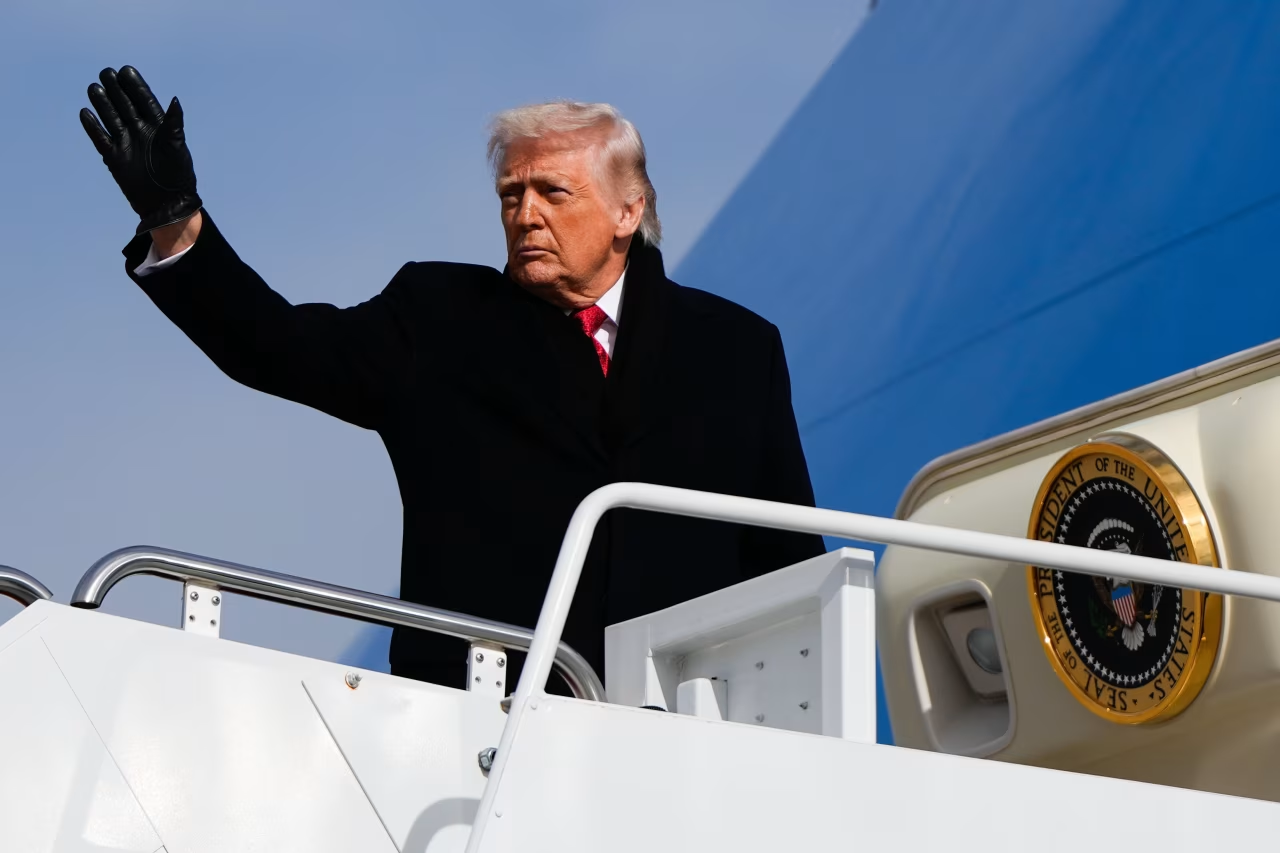
U.S. President Donald Trump has moved the United States closer to possible military confrontation with Iran, ordering a significant military buildup in the Middle East while senior advisers urge greater attention to domestic economic priorities ahead of the 2026 midterm elections.
According to officials familiar with internal deliberations, preparations are underway for a potential multi-week air campaign targeting Iranian facilities, marking what analysts describe as the most assertive U.S. posture toward Tehran since the 1979 Iranian Revolution. The deployments include expanded naval and air assets positioned to enhance operational readiness across the region.
The administration has publicly framed its stance around national security concerns, with President Trump reiterating demands that Iran halt its nuclear program. However, the White House has not released detailed strategic objectives or a comprehensive legal and policy justification for possible military action, prompting questions among lawmakers, analysts, and the public regarding the scope and necessity of escalation.
Within the administration itself, officials are reportedly divided. Some advisers caution that prioritizing military confrontation could distract from pressing domestic economic issues such as inflation, cost-of-living pressures, and employment concerns—factors widely expected to shape voter sentiment in the upcoming elections.
Republican political strategists have also warned that any perceived lack of clarity or urgency behind military action could carry electoral risks, particularly if voters view the escalation as avoidable or insufficiently explained.
The situation remains fluid, with Washington balancing strategic deterrence objectives abroad against mounting political considerations at home. Analysts note that how the administration manages this dual pressure may influence not only U.S.–Iran relations but also the broader trajectory of American foreign policy and congressional politics in the months ahead.