
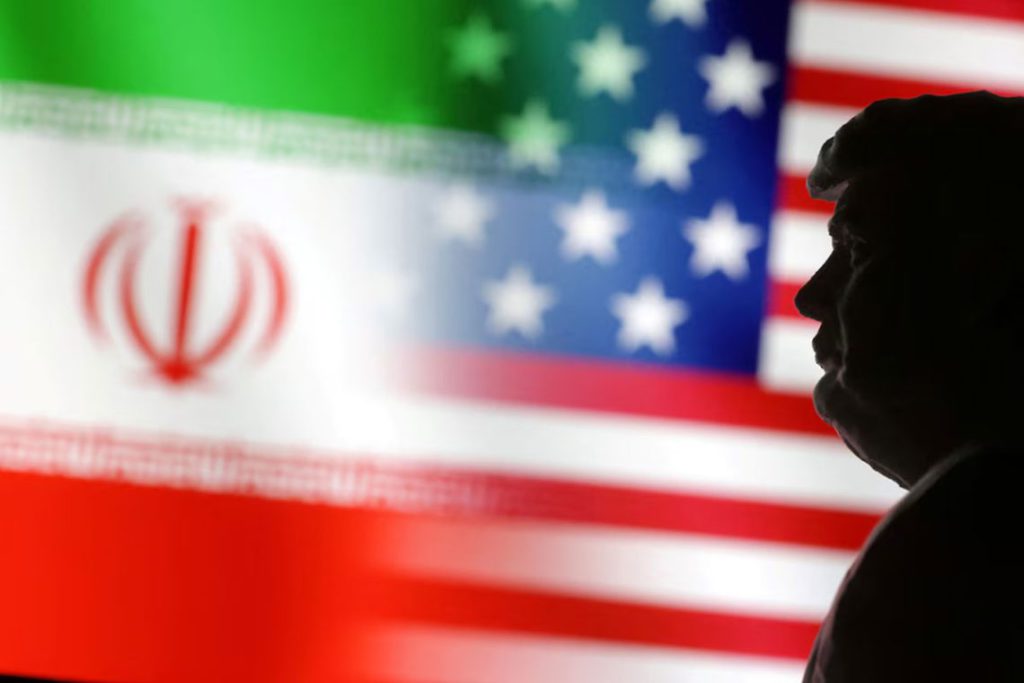
Rising tensions between the United States and Iran have emerged as a major flashpoint in international relations, prompting renewed warnings from the United Nations about the fragility of the current global security architecture and the urgent need for reforms to address what officials describe as a period of “chaos and change” in world affairs.
Recent strategic assessments suggest that Washington’s diplomatic and military planning regarding Iran’s nuclear program and regional influence is intensifying. Senior policymakers and envoys are reportedly evaluating contingency options, including potential military responses, amid growing concerns that miscalculation could trigger a broader confrontation. The seriousness of the situation has been underscored by precautionary evacuations of U.S. diplomatic personnel from Lebanon, signaling heightened alert levels across the Middle East.
The UN Secretary-General warned that the international order established after the Cold War, which has shaped global stability for decades, is now facing unprecedented strain due to overlapping geopolitical rivalries, economic competition, and shifting power dynamics. He stressed that weakening diplomatic mechanisms and the increasing reliance on unilateral measures risk undermining long-standing norms of collective security.
Security analysts caution that further deterioration in relations between Washington and Tehran could have far-reaching consequences beyond the region, including volatility in global energy markets, shifts in alliance structures, and recalculations among regional powers. With negotiations stalled and mutual distrust deepening, policymakers face a delicate balancing act between deterrence, diplomacy, and crisis management to prevent unintended escalation.
Experts emphasize that sustained engagement through multilateral platforms remains critical to reducing tensions and preserving stability, as the international community seeks to avert a conflict that could reshape regional and global strategic landscapes.

Muqadisa Asif
Muqadisa Asif is a student of International Relations at the International Islamic University Islamabad (IIUI). Her areas of interest include international security, diplomacy, foreign policy analysis, regional affairs, as well as women’s empowerment and human rights advocacy.

Leave a Reply