
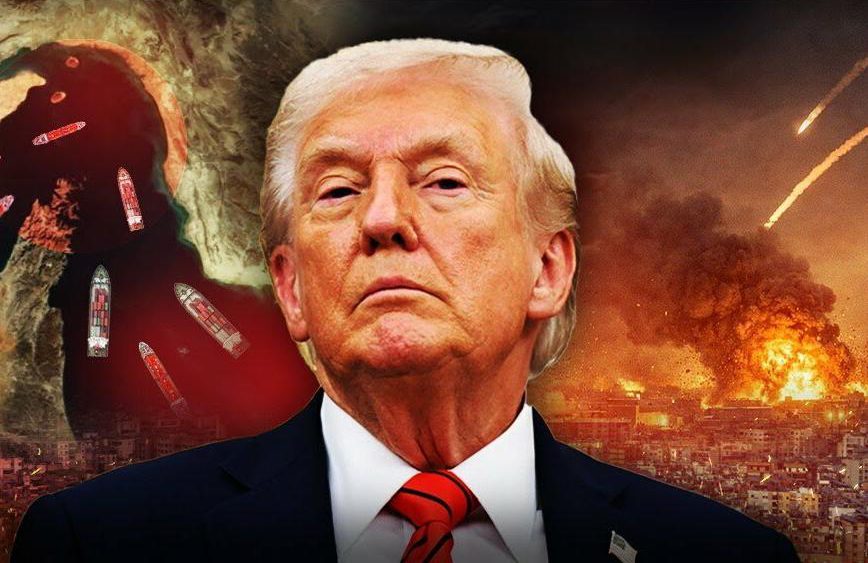
In early April 2026, tensions between Iran, the United States, and Israel escalated dramatically, with reports of imminent large-scale U.S. strikes targeting Iranian military and nuclear infrastructure. These developments followed a series of cross-border incidents and heightened regional hostilities, raising the prospect of full-scale conflict in the Middle East. Against this backdrop, Iran’s Supreme Leader, Mojtaba Khamenei, made a decisive and unprecedented move toward negotiation, instructing Iranian negotiators to pursue a diplomatic resolution for the first time since hostilities intensified.
Sources from Israel, regional diplomatic circles, and international observers confirmed that this marked a significant strategic shift, described by multiple officials as “a breakthrough.” Analysts note that without Khamenei’s personal approval, the initiative toward a ceasefire and deal would not have occurred, highlighting the concentration of decision-making authority in Iran’s top leadership.
Leadership Dynamics and Decision-Making
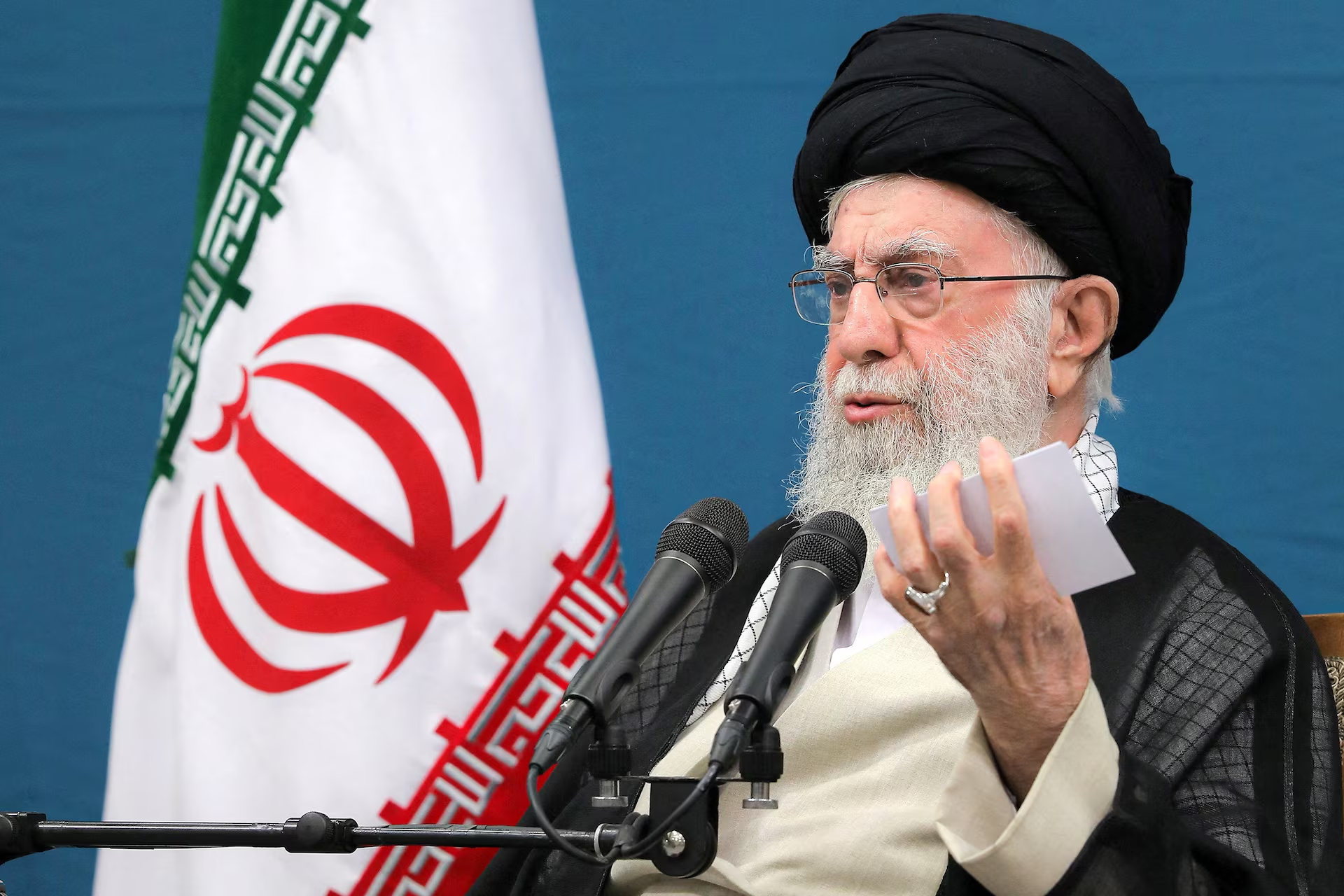
Khamenei’s involvement was highly hands-on. Reports indicate that due to credible assassination threats, he communicated through handwritten notes delivered by trusted intermediaries, reflecting both the operational risks and extraordinary security measures taken during this critical period. His personal engagement on Monday and Tuesday of the escalation period ensured that Iran’s diplomatic and military wings aligned on the decision to pursue a deal.
Iran’s Foreign Minister, Abbas Araghchi, acted as the primary facilitator, coordinating between negotiators and the Revolutionary Guard commanders to bring consensus around the deal framework. This dual-track approach—simultaneously managing diplomacy and military command—demonstrates the intricate balance Iran sought between demonstrating internal cohesion and maintaining credible deterrence during high-stakes negotiations.
Pakistan’s Pivotal Mediation Role
Pakistan played a crucial role in facilitating backchannel communication between Iran and the United States, leveraging its longstanding diplomatic ties and credibility with both Tehran and Washington. Pakistani envoys were reported to have coordinated discreet meetings, relayed key messages, and helped build mutual confidence that allowed Khamenei to approve negotiations without appearing to compromise national sovereignty. Analysts highlight that Pakistan’s intervention was instrumental in creating the environment that led to Khamenei’s “green light,” proving its growing influence as a stabilizing actor in West Asia diplomacy.
Strategic Significance
The move toward a deal carries multiple strategic implications:
- Conflict De-escalation: By signaling willingness to negotiate, Iran created an immediate window to prevent U.S. airstrikes and potential regional escalation.
- Domestic Consolidation: Khamenei’s direct involvement reinforced internal authority, ensuring that both political and military actors adhered to the negotiated approach.
- Regional Messaging: Iran sent a calculated signal to neighboring countries and international partners that it remains capable of both strategic patience and decisive action.
- Diplomatic Leverage: The timing of the negotiation allowed Iran to strengthen its bargaining position while avoiding a direct military confrontation that could weaken its regional influence.
- Pakistan’s Influence: Pakistan’s mediation enhanced regional stability, positioning it as a credible broker capable of facilitating high-stakes diplomacy in the Middle East.
Risks and Challenges
Despite this development, the situation remains precarious. Any miscommunication or unilateral action by either side could unravel the fragile ceasefire. Moreover, regional proxies, hardline factions within the Revolutionary Guard, and domestic political pressures pose challenges to maintaining a sustained agreement. Analysts caution that while this temporary move toward diplomacy is significant, it is not yet a permanent solution and depends on continued restraint and verification mechanisms.
Outlook and Implications
Iran’s decision to engage in negotiations ahead of the U.S. strike deadline represents a rare alignment of diplomacy and strategic calculation under extreme pressure. Pakistan’s discreet but pivotal involvement demonstrates the potential for regional actors outside the immediate conflict to contribute meaningfully to peace efforts. If the deal holds, it could stabilize immediate conflict zones, provide breathing space for broader diplomatic engagement, and potentially lay the groundwork for a more comprehensive regional security framework. However, maintaining this fragile balance will require sustained engagement from all actors, vigilance against spoilers, and careful coordination between diplomatic and military channels.
This development underscores the centrality of leadership decisions in high-stakes conflicts, the interplay of military deterrence and diplomacy, and the growing role of Pakistan as a stabilizing mediator in West Asia.

Leave a Reply